
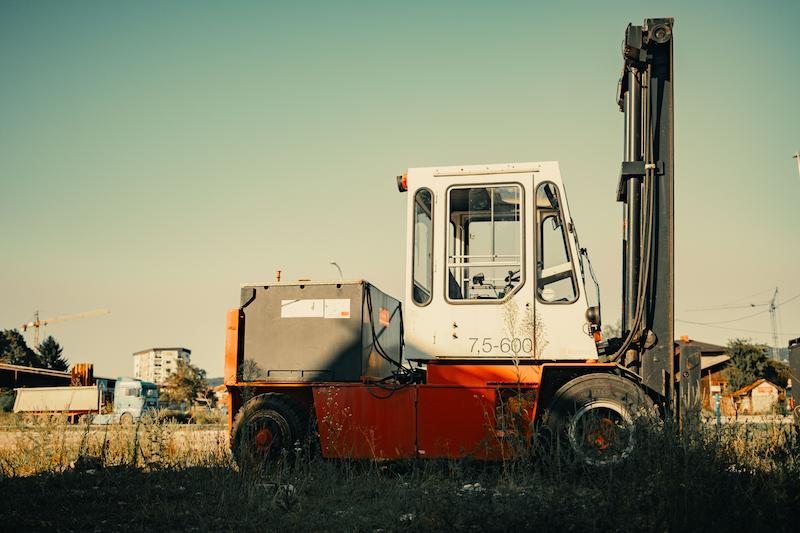
Operating heavy machinery requires intense concentration, long hours, and constant physical endurance. Among all the machinery components that demand attention, the operator seat is often overlooked until it begins to show severe wear or cause physical discomfort. Heavy-duty forklifts operate under demanding conditions, frequently handling massive loads across uneven terrain, warehouse concrete, and outdoor yards. Replacing a worn-out forklift seat is not merely a matter of maintenance; it directly impacts safety, productivity, and the physical well-being of the driver.
When evaluating potential replacement seating for heavy-duty forklifts, several critical factors must be analyzed to ensure the chosen product delivers long-term performance and optimal support. Upgrading to high-quality Doosan forklift replacement seating can significantly improve operator comfort and reduce fatigue during long shifts in the warehouse.
Ergonomic Design and Adjustability
The primary function of a high-quality forklift seat is to protect the operator from physical fatigue and musculoskeletal injuries. Drivers spend consecutive hours seated, often twisting to view loads or back up. An ergonomically designed seat promotes healthy posture and minimizes stress on the lower back, neck, and shoulders.
Adjustability is the foundation of ergonomic seating. Because different operators will use the same equipment across shifts, the replacement seat must accommodate various body types and heights. Key adjustable features to look for include seat height, fore-and-aft movement, recline angle, and lumbar support. By preserving the spine’s natural curvature, adjustable lumbar support considerably lowers the chance of developing chronic back discomfort. Additionally, armrests that adjust for height and angle can relieve tension in the shoulders during long operational cycles.
Suspension Systems and Vibration Reduction
Heavy-duty forklifts frequently navigate rough surfaces, expansion joints, ramps, and potholes. Without adequate shock absorption, every impact travels directly through the machine and into the driver’s spine. Whole-body vibration is a leading cause of operator discomfort and long-term health issues in industrial environments.
When selecting a replacement seat, the suspension system is one of the most vital technical specifications to evaluate. Mechanical suspension systems utilize springs and shock absorbers to damp movement and are suitable for standard operational needs. Pneumatic or air suspension systems provide superior shock absorption by allowing precise adjustments based on operator weight. Air suspension dynamically absorbs harsh impacts and continuous vibrations, resulting in a significantly smoother ride and reduced physical fatigue over extended work shifts.
Material Durability and Environmental Protection
Industrial environments present harsh conditions including dirt, chemical exposure, moisture, extreme temperatures, and heavy friction. The upholstery and structural materials of a replacement seat must withstand these demanding factors without tearing or degrading rapidly.
Vinyl is one of the most popular upholstery materials for forklift seating due to its moisture resistance and ease of cleaning. High-grade vinyl can be quickly wiped down to remove oil, dirt, and dust, making it ideal for outdoor applications or environments with high contamination exposure. Heavy-duty fabric seating, on the other hand, offers better breathability and temperature control, preventing heat buildup during long shifts in hot warehouses. However, fabric requires more effort to clean and may absorb spills if not treated with protective coatings. The choice of material should align directly with your working environment and maintenance procedures.
Conclusion
Investing in the right replacement seat for a heavy-duty forklift is a crucial decision that affects equipment safety, operator health, and overall workplace efficiency. By prioritizing ergonomic support, effective suspension, durable upholstery, integrated safety features, and proper mounting compatibility, fleet managers can ensure a comfortable and productive environment for drivers. Taking the time to evaluate these key considerations guarantees a replacement seat that withstands daily industrial demands while delivering long-term value.